Picnic Bear Line Tracing Printables
Looking for a fun and interactive way to help your preschooler develop fine motor skills? Our Picnic Bear Line Tracing Printables are the perfect solution! These engaging worksheets feature adorable picnic-themed bears and patterns that encourage your little one to practice their pre-writing skills in a playful setting. By tracing lines, curves, and shapes, children strengthen their hand-eye coordination and pencil control.
What makes our preschool handwriting printables even more special is the opportunity they provide for quality bonding time. Sit alongside your child as they trace and create stories about the lively picnic scene, or cheer them on as they proudly master each sheet. Designed to be simple and mess-free, these activities can be enjoyed at home or on the go!

More Preschool Fine Motor Practice
Preschool handwriting printables are a wonderful way to make learning fun while helping your little ones develop essential fine motor skills. These engaging, hand-designed worksheets encourage children to practice letter formation, tracing, and early writing techniques.
- Alligator Line Tracing Printables
- Crab Line Tracing Printables
- Frog Line Tracing Printables
- Fish Line Tracing Printables
Whether you’re working together to trace the alphabet with colorful crayons these printables provide the perfect balance of learning and play.
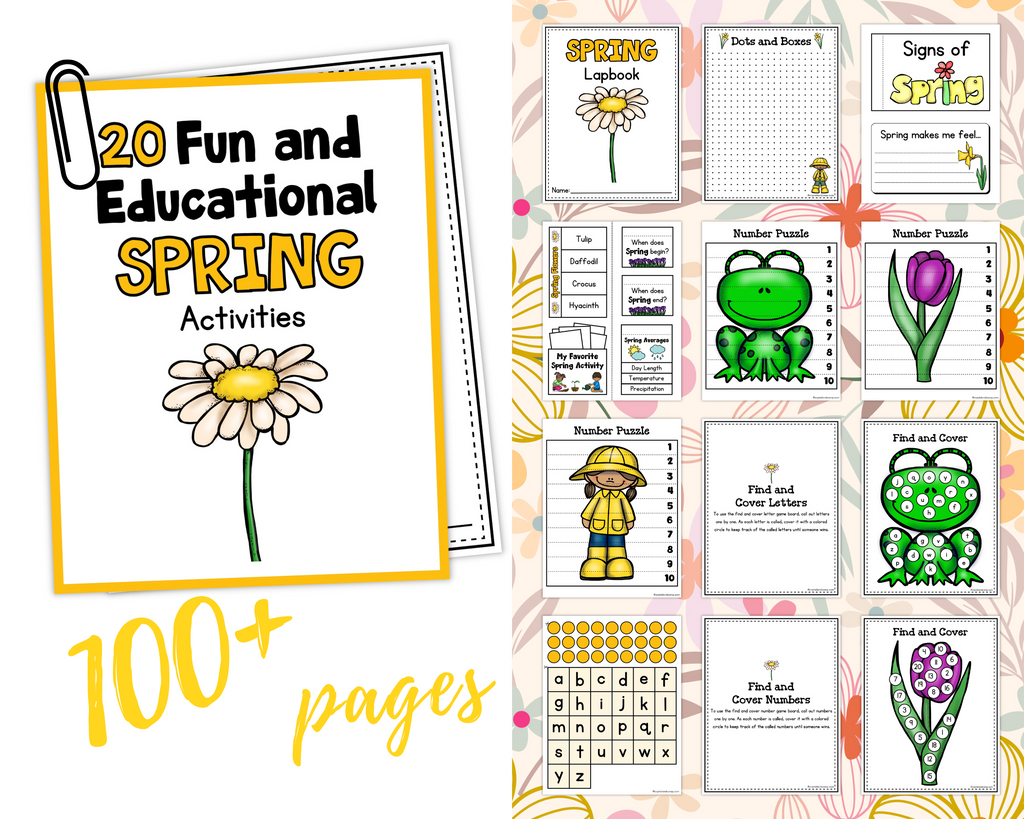
20 Spring Mega Activities Printable Pack
How Are Line Tracing Printables Helping My Child Learn?
Line tracing printables are a simple yet powerful tool for helping your child develop essential early learning skills. By guiding their pencil along the dotted lines, children build fine motor skills and hand-eye coordination—foundations that are critical for writing. These activities also strengthen muscle control in little hands, making it easier for your child to hold a pencil correctly and draw more precise shapes as they progress.

Beyond the physical benefits, line tracing printables spark creativity and focus while introducing a sense of accomplishment. With each completed sheet, your child experiences the joy of mastering a new skill, presenting a fun yet structured way to learn. Many of these activities are also designed with engaging themes.
Scroll To The Bottom To Download!
Creative and Engaging Ways to Use Picnic Bear Line Tracing Printables for Preschoolers
Looking for a fun and educational way to keep preschoolers engaged? This PDF pack is perfect for building fine motor skills, boosting creativity, and making learning an enjoyable adventure. Whether for individual play or group activities, these ideas will turn tracing practice into a delightful experience!
Individual Activities
Morning Skill Builder
Set up a dedicated morning station where kids can practice following lines from the printable to warm up their fine motor skills.
Quiet Reflection Activity
Use the “Trace and Color” page as a calming downtime activity. Kids can focus on the line work first and then enjoy coloring afterward.
Number Recognition Practice
Use the “Match the Numbers” printable to reinforce number recognition and counting. Make it more engaging by adding stickers or stamps once a line is completed correctly.
Hand-eye Coordination Challenge
With the “Picnic Bear Path” or “Bring the Food” pages, encourage kids to carefully follow the paths with their pencils, enhancing precision without lifting them.
Describe and Create
While working on a page, ask kids to explain the shapes or patterns they see and invent a short story about the picnic bears to boost creativity.
Use Q-Tips for Line Work
Instead of pencils or crayons, provide Q-tips dipped in paint for kids to follow the designs, offering a creative and fun alternative.
Group Activities
- Tracing Race
For the “Picnic Race” page, have kids complete the tracing in small groups. The first to finish while staying on the line gets a small prize or sticker. - Partner Work
Pair up children and have one explain the path they’re tracing while the other listens. This builds communication and teamwork skills. - Picnic Role Play
After completing the “Bring the Food” printable, organize a mini picnic. Kids can “bring” toy food items they matched in the activity. - Relay Tracing Race
For the “Picnic Race” page, split kids into teams. Each team member traces part of the path before passing it to the next.
Themed Lesson Ideas
- Picnic Week
Pair the printables with lessons about healthy eating. Talk about what the bears are bringing to the picnic and discuss picnic-friendly foods. - Storytime Enhancement
Read a book about a picnic (like The Teddy Bears’ Picnic). Use the printables afterward to tie the story into the activity. - Seasonal Tie-In
Incorporate “Cup of Tea” or “Cup of Hot Tea” themed pages in a winter or rainy day lesson. Discuss warm drinks and staying cozy. - Animal Explorers
Use the bear theme to teach about animals and their habitats, tying the printables into the lesson. - Shapes and Lines Lesson
Discuss the different types of lines the kids are tracing (straight, curved, zig-zag). Relate it to other shapes and objects they can see in their environment.
Creative Playtime
Follow and Create
Invite kids to work through the lines on the “Picnic Race” or “Bear Path” pages, then challenge them to design their own mazes or paths.
Decorative Displays
Once kids finish the “Trace and Color” page, encourage them to showcase their completed artwork either at home or in the classroom.
Tactile Line Work
Laminate the printables and set up an activity station where kids can use their fingers dipped in sand or shaving cream to explore the patterns, creating a sensory experience.
Interactive Party Game
Turn the different worksheets into a fun party activity where kids move between stations, completing line challenges and earning “picnic points” as rewards.
Outdoor Playtime
Take the sheets outside on a beautiful day. With clipboards in hand, kids can complete lines while soaking in the fresh air during a real picnic outing.
These engaging activities bring a fresh twist to learning, fostering creativity, fine motor skills, and joyful play all at once!
How Important is Fine Motor Control?
Fine motor control plays a crucial role in early learning, laying the foundation for a child’s ability to perform everyday tasks and develop key academic skills. These small but powerful movements—like grasping a pencil, turning the pages of a book, or buttoning a shirt—are essential for building independence, coordination, and confidence. By strengthening the small muscles in their hands and fingers, children are better equipped to focus on creative and cognitive tasks.

Parents and educators can nurture fine motor development through fun, interactive activities that bring delight to young learners. Simple tasks like stringing beads, using child-safe scissors, or playing with clay help children refine their hand-eye coordination while sparking creativity. Even playful activities, such as stacking blocks or threading a toy lace, can strengthen these essential skills.
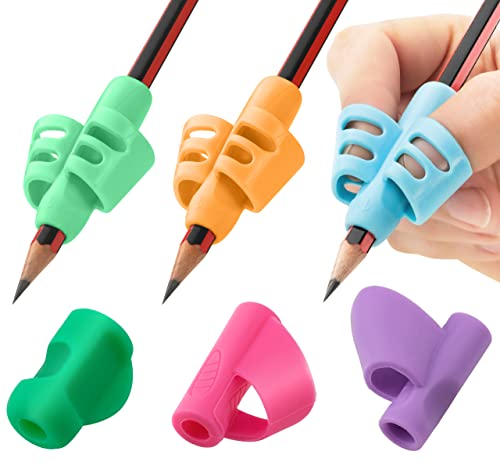
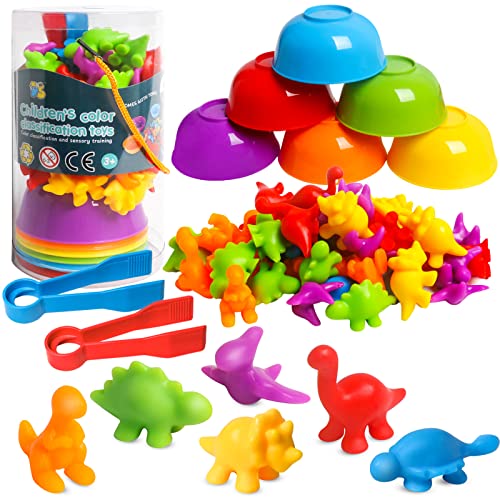
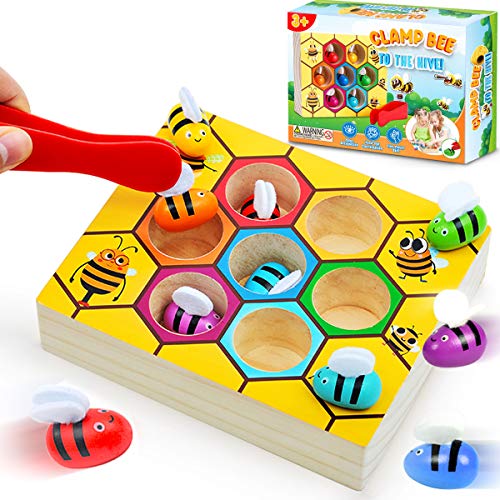
Crayola Broad Line Markers (12ct), Washable Markers for Kids, Arts & Crafts Supplies, Coloring Markers, Gifts for Kids & Toddlers, 3+ Short Jumbo Kids Pencils for Preschoolers, Kindergarten, Toddlers & Beginners – 8 Triangular Pencils & Sharpener, Fat Pencils for Kindergarten, 2B, Jumbo Pencils, Kids Pencils, Ages 2-6 (Multi Color)Stylo Pack of 6 Pencil Grips for Kids Handwriting Perfect Pencil Holders for Kids Home Schooling and Preschool Writing Tools for Kids Assorted Pen Grips Christmas Gifts (Pack of 6, Multicolored)WOSWEL Dot Markers, 10 Colors Washable Dot Paint Markers for Toddlers Kids Preschool, Bingo Daubers Supplies, Painting Art and Crafts Kits Coloring Set, for Class Valentine Gift Art PartyCounting Dinosaur Toys Matching Games with Sorting Bowls Sorting Toys for Toddlers Preschool Learning Activities for Math Color Sensory Montessori Fine Motor Skills Toys for 3 4 5 Years Old Boys GirlsCozyBomB™ Clamp Bee to Hive Matching Game Toddler Fine Motor Skill Toy Montessori Toy Wooden Color Sorting Preschool Learning Educational Gifts Toys for 2 3 4 Years Old Birthdays Christmas Holidays



Highlighting Concentration Skills In Early Learning
Fostering concentration skills in early learning is an essential part of helping preschoolers develop a strong foundation for future success. At this age, children are naturally curious and easily distracted, making it the perfect time to gently guide them toward activities that encourage focus and sustained attention. The key is to introduce engaging tasks that feel fun, rather than overwhelming, allowing kids to enjoy the process of discovery in a way that naturally strengthens their focus.

Parents and caregivers play a vital role in nurturing these skills through everyday interactions. Setting up a cozy, distraction-free environment during learning or playtime helps preschoolers feel secure and minimizes interruptions. It’s all about creating small, joyful moments of connection and consistency that help young minds grow while celebrating their progress along the way.
Brain Boosting Fine Motor Fun
Engaging your preschooler in brain-boosting fine motor activities is a wonderful way to support their growing minds and little hands! These simple yet powerful exercises build their hand-eye coordination, concentration, and problem-solving skills—all while having a fantastic time. Make every tiny movement a step toward big development!
- Ice Cream Line Tracing Printables
- Spring Cutting Practice
- Free Printable Summer Cutting Activity Pages
- Bear Cutting Practice Pages

Implementing Foundational Learning Resources
Implementing foundational learning resources for preschoolers is essential to fostering early cognitive and social development while building a love for learning. At this tender age, children learn best through engaging activities that feel like fun. Simple tools like alphabet puzzles, picture books, and interactive worksheets can stimulate their curiosity and boost skills like problem-solving, language development, and fine motor coordination.

Incorporating learning resources into daily routines can be both rewarding and joyful. Parents can also enhance the experience by choosing materials that reflect their child’s interests, sparking more enthusiasm and focus. Foundational resources involve more than just tools—they’re opportunities for connection and growth, ensuring kids are well-prepared for their educational journeys
If the download box is not populating below, click the following link to grab the picnic teddy bear PDF pack.
PICNIC BEAR LINE TRACING