Glue Emotions Do A Dot Printables
If you are looking for some fun ways to work on fine motor development and tie into emotion words then look no further than these Glue Emotions Do A Dot Printables. They are a creative and engaging way for young minds to explore and understand their feelings while honing their motor coordination. These ideas are designed specifically for parents, young learners, and early childhood educators who are eager to provide holistic developmental experiences.
Our Do A Dot Printables are simple yet highly effective activities that help students practice their hand-eye coordination and fine motor skills. With numerous themes to choose from there is plenty of fun and learning to be had. Plus you can print them over and over again!

How Useful Are Do A Dot Printables?
Do-a-dot activities are an exceptional tool for early learning, particularly suited for preschool and kindergarten children. These ideas offer a hands-on approach to education, allowing young learners to engage their fine motor skills. By using dot markers to fill in the circles, children can improve their hand-eye coordination and grip strength, foundational skills necessary for writing. Furthermore, the activity promotes focus and concentration as kids carefully place each dot within the designated spaces.
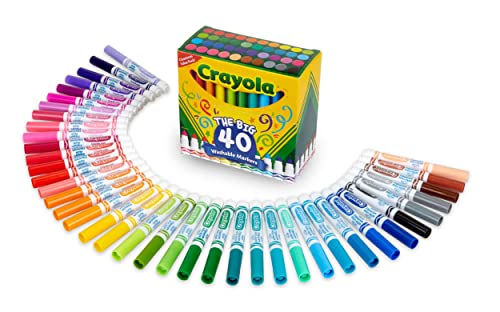
Yuanhe Dot Markers Bingo Daubers – 6 Colors Washable Paint Dotters for Toddlers and Kids Art Supply Crayola Ultra Clean Washable Markers (40ct), Coloring Markers for Kids, Back to School Supplies, Marker Set, Markers for SchoolCrayola Clicks Retractable Markers (10ct), Washable Markers for Kids, Click Markers, School Supplies for Kids, Gifts, Ages 5+Crayola 24 Count Box of Crayons Non-Toxic Color Coloring School Supplies (2 Packs)ArtBin 6937AG Essentials Lift-Out Tray Box, Portable Art & Craft Organizer with Handle and Tray, Clear/AquaA Little SPOT of Emotion 8 Plush Toys with Feelings Book Box Set



Beyond motor skills, do-a-dot activites provide an excellent avenue for cognitive development. They often come in various themes and patterns, making it easy to incorporate lessons on numbers, letters, colors, and shapes. This variety helps children grasp basic educational concepts while enjoying a creative and interactive experience. Additionally, these worksheets encourage independent work and problem-solving, building confidence as children complete each page.
Scroll To The Bottom To Download!
How To Teach Preschoolers About Feelings and Expression
Teaching preschoolers about feelings and expression is a crucial part of their emotional development. The first step is to help them identify and name their feelings. Use simple language and visual aids, like picture books or emotion cards, to introduce basic emotions such as happiness, sadness, anger, and fear. Children this age are very visual learners, so associating a particular emotion with a specific facial expression or scenario can make it easier for them to recognize and articulate their own feelings.
Once they can identify their emotions, it’s essential to provide them with tools to express these feelings in healthy ways. Role-playing activities can be particularly effective. Create scenarios where children can practice expressing how they feel in different situations, using both words and body language. This not only helps them communicate their emotions but also teaches them empathy, as they begin to understand that others have feelings too.

Creating a supportive environment is also key to teaching preschoolers about feelings. Encourage open communication and model positive behavior by sharing your own feelings appropriately. For example, if you’re feeling frustrated, calmly explain, “I’m feeling frustrated because I can’t find my keys,” and show them how you cope with it. This helps children understand that it’s okay to have emotions and that they can manage them constructively.

Reinforcing their learning through consistent practice and positive reinforcement. Praise them when they accurately identify or express their emotions, and gently guide them when they struggle. Incorporate discussions about feelings into daily routines, such as asking how they felt about their day during dinner or reading bedtime stories that focus on emotions. By continuously integrating these practices, you help preschoolers build a strong emotional foundation that will benefit them throughout their lives.

Dabber Marker Activities For Preschool
Preschoolers love to gain independence especially with using dabber markers. What better way to allow for fine motor skill exploration than with fun, and engaging activities. These are simple manipulatives to use at home or in a preschool setting.
- Backpack Emotions Do a Dot Activity
- Crayon Emotions Do a Dot Sheets
- Preschool Do a Dot Pages: Bugs
- Preschool Do a Dot Worksheets: Apples
- Fish Do a Dot PDF Pack
Building Visual Memory Skills in Early Learning
Building visual memory skills in early learning is crucial for enhancing a child’s cognitive development and academic success. Visual memory refers to the ability to remember and recall information that has been seen, such as shapes, colors, and patterns. This skill plays a significant role in various learning activities, including reading, writing, and solving mathematical problems. By strengthening visual memory, children can better recognize letters and words, improve their spelling, and enhance their comprehension skills.

When children engage in activities that require them to recall visual information, they learn to pay closer attention to details and improve their focus and concentration. This heightened attention to detail can translate to better performance in tasks that require precision and accuracy. Additionally, developing visual memory skills helps children build stronger connections between visual and verbal information, making it easier for them to understand and retain new concepts.
Visual Learning Activities For Preschool
Fine motor development is critical to early learning. Providing a variety of fun, interactive activities for your kiddo will keep them engaged and motivated to learn. These fine motor activities are perfect activities to build on those skills!
- Rainbow Fish PDF
- S Is For Spider Sorting Activity
- Monster Match Free Game Worksheets
- Ocean Zones For Kids: Learning About The Amazing Ocean
- Dinosaur Counting Activities For Young Learners
Fostering A Love For Learning Early
Fostering a love for learning early in children is crucial for their long-term educational development and personal growth. By creating a nurturing and stimulating environment, parents and educators can ignite curiosity and a passion for discovery from a young age. This often involves exposing children to a variety of subjects and activities, encouraging them to ask questions, and celebrating their successes, no matter how small. The goal is to make learning a joyful and engaging experience, rather than a chore.

Activities that involve hands-on experiences, such as building projects, science experiments, and art creation, can help children understand complex concepts in a fun and meaningful way. Additionally, reading together and discussing stories can enhance their language skills and broaden their imagination. By integrating learning into daily routines and making it relevant to their interests, we can help children see the value and fun in education.
If the download box is not populating below, click the following link to grab the glue themed do a dot pages.